


26 Oct Business Coach Lisa Bean Explores Leadership, Visibility and Business Growth at Be the Leader Event
Business coach, speaker and entrepreneur Lisa Bean attended The Devonshire Arms at Bolton Abbey as guest speaker at Anisa Lewis’s Be the Leader event. The interactive morning brought together women from a range of professional backgrounds to explore leadership, personal branding, thought leadership, confidence and business growth.
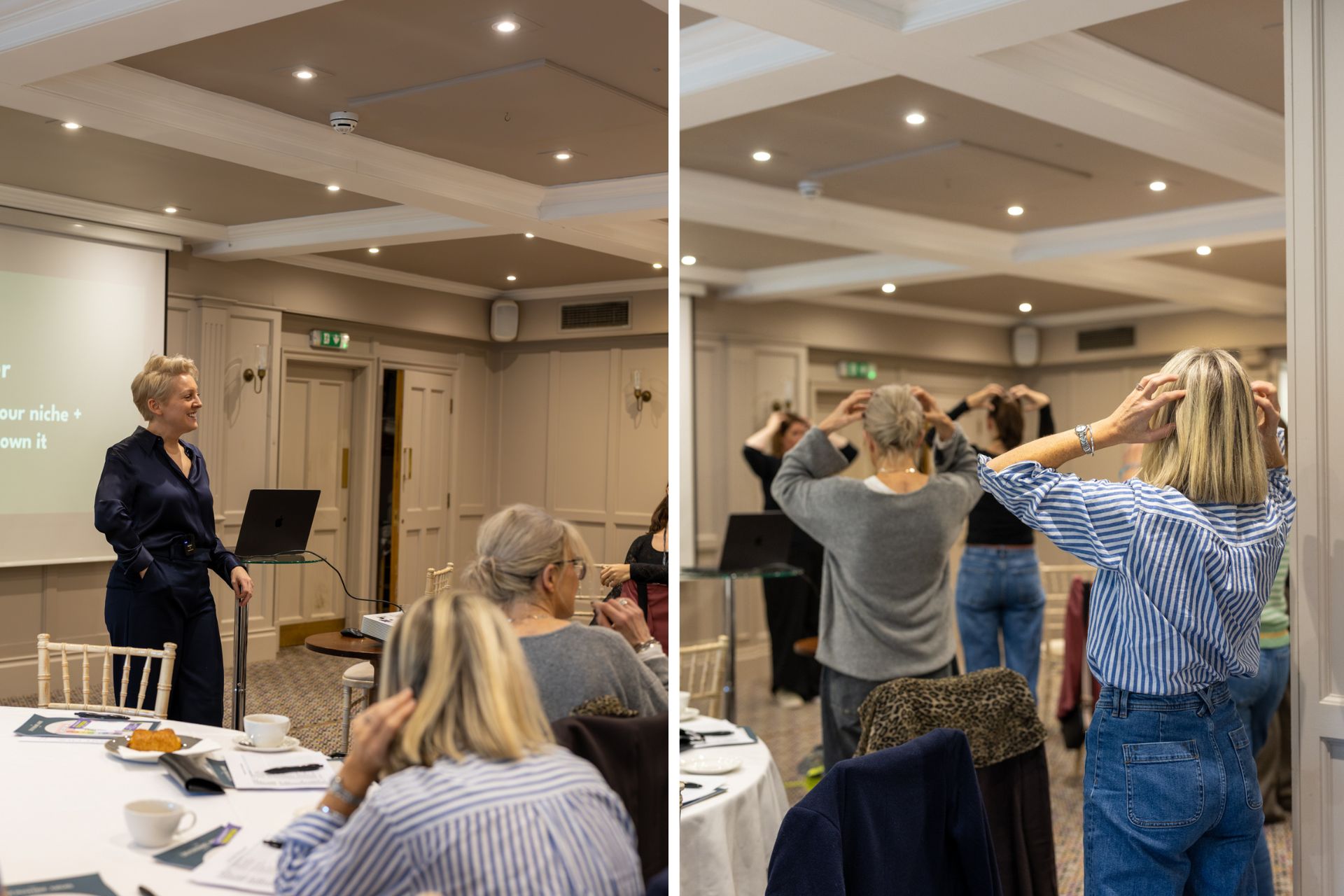
Built around the question “What do you want to be known for?”, the event encouraged attendees to step away from their everyday responsibilities and consider the bigger picture: what they want to achieve, what they want to contribute and how they can become more confident in communicating their expertise and ideas.
Rather than delivering a traditional presentation, Lisa opened the morning by asking attendees what had brought them into the room and what they hoped to take away.
The responses sparked an open, energetic discussion about the realities of running a business, progressing a career and leading other people. From finding time to focus on meaningful work to growing a team, developing confidence, improving marketing and turning expertise into sales, the conversation quickly revealed how many challenges the women shared.
What do you want to be known for?
Drawing on her experience as a business coach working with entrepreneurs and business owners, Lisa challenged attendees to think beyond their job titles, products and services.
What do you really want people to know you for? What have you learned through your experience that other people would benefit from hearing? What do you believe needs to change in your profession or industry?
And, perhaps most importantly, are you communicating those ideas, or are you simply posting content because you feel you should?
Lisa introduced the concept of pressure posting: the habit of creating social media content simply to maintain a presence online, without considering whether that content supports a wider message, reputation or commercial goal.
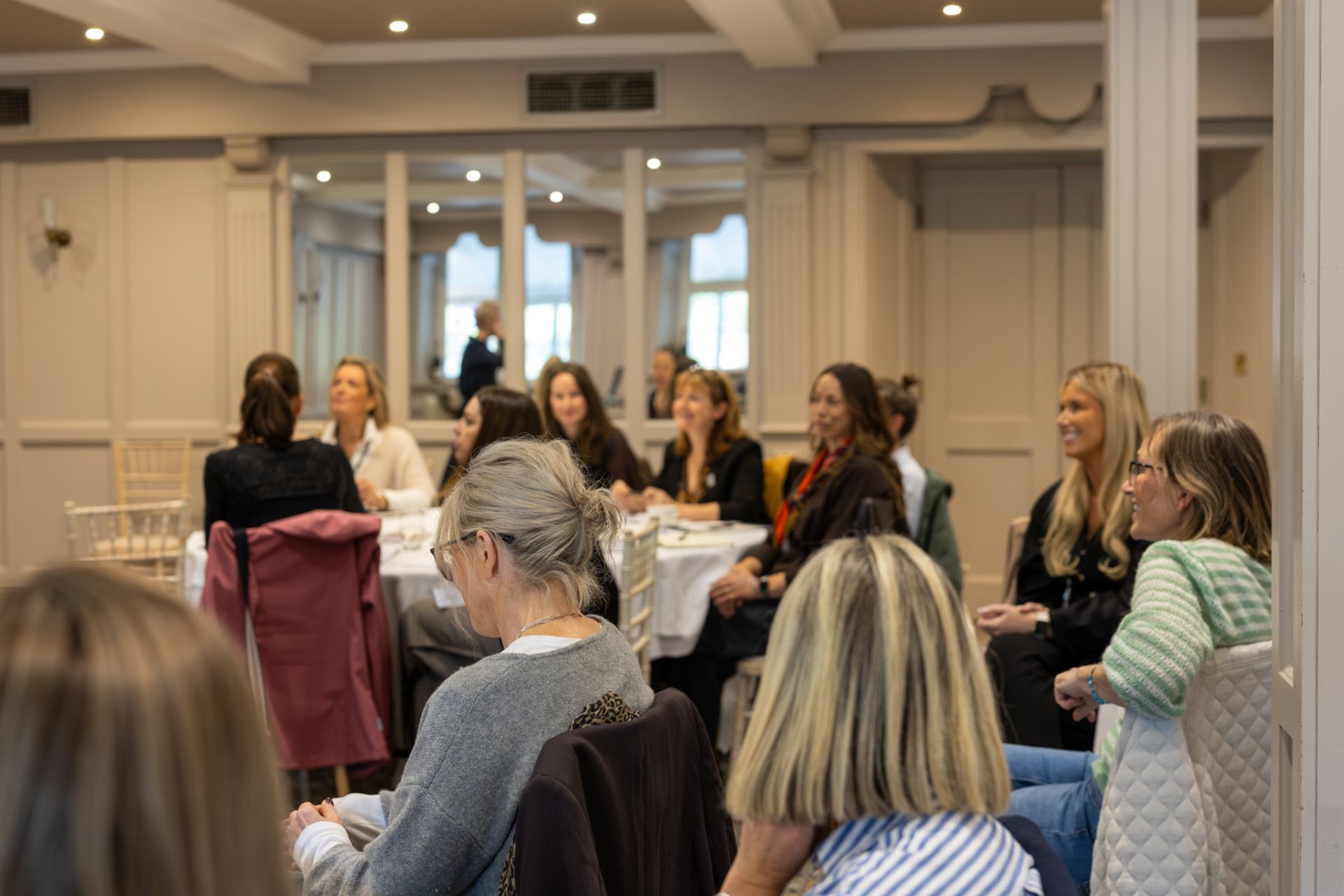
The discussion explored how business owners and professionals can move beyond generic information to develop a distinctive point of view, communicate their experience and become known for something meaningful.
For entrepreneurs, this is also an important part of building a successful business. Strong positioning, valuable content and a clear message can help potential customers understand not only what you offer, but why they should choose to work with you.
Purpose, passion and profit: Why business needs both
One of the most engaging discussions of the morning focused on the relationship between purpose and commercial success.
Lisa introduced a simple visual model asking attendees to consider two sides of their work: purpose, mission, values and intention on one side, and money, profit, offers and commerciality on the other.
The challenge was to recognise that these are not competing priorities. As Lisa explained, building a sustainable business requires both a meaningful mission and the commercial skills to support it.
The conversation developed into practical discussions about pricing, recognising the value of professional expertise, communicating that value to potential customers and ensuring that a business generates enough income to deliver on its ambitions.

Leadership is not the same as management
Another important theme was the difference between being a good leader and being a good manager.
During an early discussion, one attendee spoke about the challenge of growing a business while feeling more comfortable working independently than managing a team.
Lisa explored the distinction between inspiring people with a vision and developing the practical management skills required to deliver that vision.
The conversation also highlighted the importance of understanding the individuals within a team, recognising their strengths and creating an environment in which they can do their best work.
For people leading within organisations, rather than running their own businesses, this was an equally relevant discussion.
Leadership, Lisa suggested, is not simply about having authority or a senior title. It is about communicating a direction, demonstrating your values through your actions and helping other people understand how they can contribute.
Finding the confidence to become more visible
Visibility was another central theme throughout the morning.
Many capable professionals know they have valuable expertise but find it difficult to speak publicly about their work, express stronger opinions or confidently communicate what makes them different.
The session explored the barriers that can prevent people from becoming more visible, particularly when they are trying to establish a reputation in a competitive industry.
Lisa encouraged attendees to recognise the knowledge, experience and insight they already possess, rather than constantly looking outside themselves for reassurance or another strategy to follow.

In an environment where social media, online advice and AI tools provide a seemingly endless stream of suggestions, the ability to think independently, make decisions and commit to a clear direction is becoming an increasingly important leadership skill.
The message was particularly relevant to women developing their careers within established organisations, as well as business owners seeking to grow their personal brands.
From inspiration to action
Throughout the morning, the conversation continually returned to the importance of turning ideas into action.
As Lisa explained, business success is not simply the result of having an inspiring vision. It requires commercial skills, a clear goal, a practical plan and the discipline to follow through.
The session challenged attendees to think about who they want to reach, what those people need to hear and how their marketing and communication can support specific business objectives.
For business owners, this included identifying potential customers, understanding their questions and creating content that addresses those questions rather than posting for the sake of posting.
For employees and leaders within organisations, the same principles apply to communicating with colleagues, building trust and helping teams understand what they are working towards.
The overarching message was simple: you already have valuable experience, ideas and insight. The next step is to decide what you want to do with them, communicate them effectively and create a plan to move forward.
